
Design Systems in Banking: Scaling UX Quality, Brand Consistency and Digital Transformation
A design system in banking is a shared framework of reusable components, design standards, interaction patterns, principles and governance that enables financial institutions to create consistent, scalable and high-quality digital experiences across products and channels. A mature banking design system is not simply a UI component library, but shared experience infrastructure connecting UX, Digital Brand Identity, technology and product development.
What Is a Design System in Banking?
A banking design system creates a shared experience language across mobile banking, web platforms, internal systems and AI-powered channels by combining reusable components, design tokens, interaction patterns, accessibility standards, principles and governance.
How Is a Design System Different From a UI Library?
A UI library provides reusable components, while a design system defines how and why those components should be used through shared principles, interaction standards, patterns and governance that help teams create coherent experiences rather than isolated interfaces.
Why Do Banks Need Design Systems?
Large financial institutions operate across hundreds or thousands of screens, teams and platforms, making design systems essential for reducing duplication, inconsistency, unnecessary rework and fragmented product decisions while improving collaboration between designers, developers and product teams.
How Do Design Systems Support Digital Brand Identity?
A banking design system should not make every product look generic—it should operationalize a distinctive Digital Brand Identity at scale by translating visual language, interaction character, content, motion, feedback and behavioral principles into reusable foundations that keep the brand recognizable across products.
How Do Design Systems Reduce Experience Debt?
Design systems help control Experience Debt by preventing duplicate components, inconsistent interaction logic and disconnected patterns from accumulating across products, because every unnecessary exception introduces additional maintenance, development effort and experience fragmentation.
How Do Design Systems Improve Banking Efficiency?
Reusable foundations can improve speed to market, development efficiency, product consistency, accessibility and experience quality by reducing repeated design and engineering work while allowing teams to focus more resources on customer problems and strategic differentiation.
What Is the Relationship Between Design Systems and UX Governance?
Design systems standardize execution, while UX governance governs experience decisions, meaning banks need clear ownership, contribution models, quality standards and continuous governance to ensure the system evolves together with products, technology, customer expectations and brand strategy.
How Do Design Systems Support Digital Transformation?
A mature design system provides scalable infrastructure for large-scale digital transformation by helping multiple teams and platforms evolve faster while maintaining coherent UX, accessibility, technical consistency and a distinctive banking experience.
Explore UXDA insights on design systems in banking, banking design systems, financial design systems, digital banking design systems, UI component libraries, design tokens, Digital Brand Identity, DesignOps, UX governance and Experience Debt.
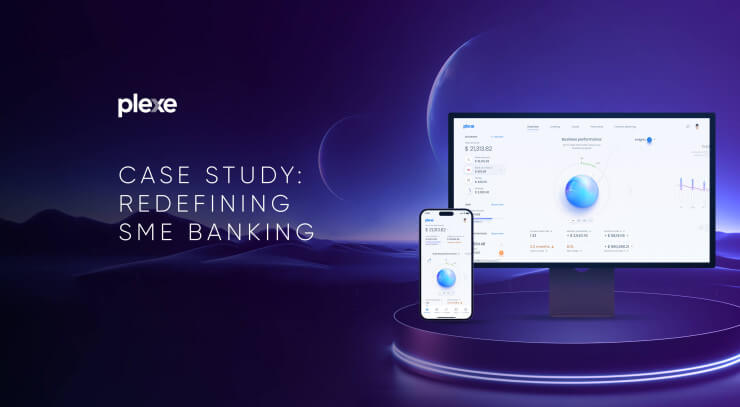




UX Case Study: Challenges of Business Banking Transformation
SME owners often face the challenge of adapting business strategy to a highly dynamic environment while simultaneously managing day-to-day financial operations. It's like Formula 1 racers, where only precise and quick decisions can save them from failure.


Runrate UX Case Study: Financial Management Platform for Happiness
This is a UX Case Study of the Runrate app's UX design, that seamlessly combines planning, budgeting and investing with a philosophy of manifesting the future.
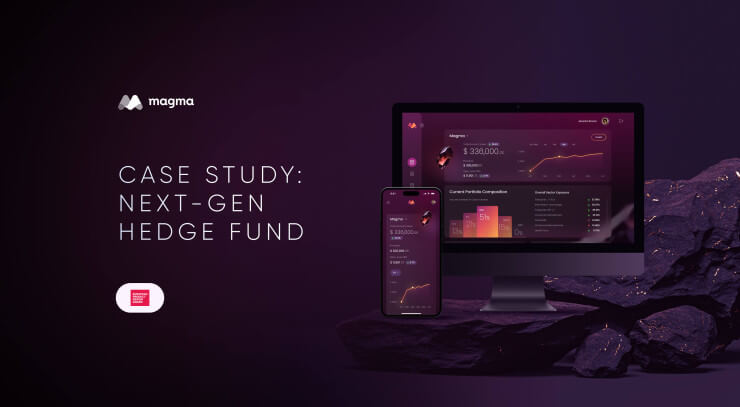

Magma UX Case Study: Digitalize NBA Players' Investments to Beat Market Volatility
UXDA designed a next-gen investment platform, for high-net-worth individuals. The aim was to create a quantitative hedge fund product to simplify and enhance the investment experience with cutting-edge technologies.
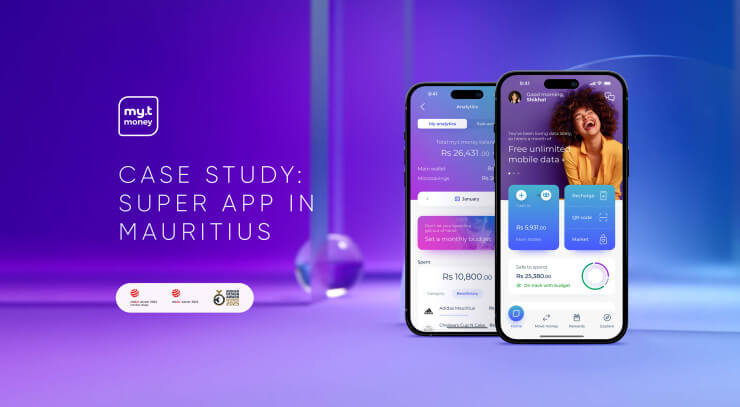

my.t money UX Case Study: Banking Super App Design to Modernize Mauritius
MT challenged UXDA to envision and redesign a digital my.t money platform as an integrated financial and lifestyle service ecosystem to empower the Mauritian community.
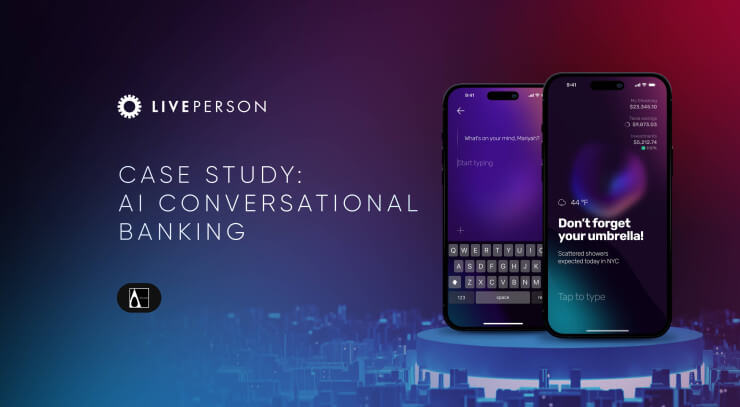
UX Case Study: Applying ChatGPT Alike Generative AI in Banking
ChatGPT in banking could fuel new types of products, more personalized and more connected to users, so this case study explores actual experience with conversational banking design. LivePerson approached UXDA with a mission to infuse love into finance through an innovative banking app.
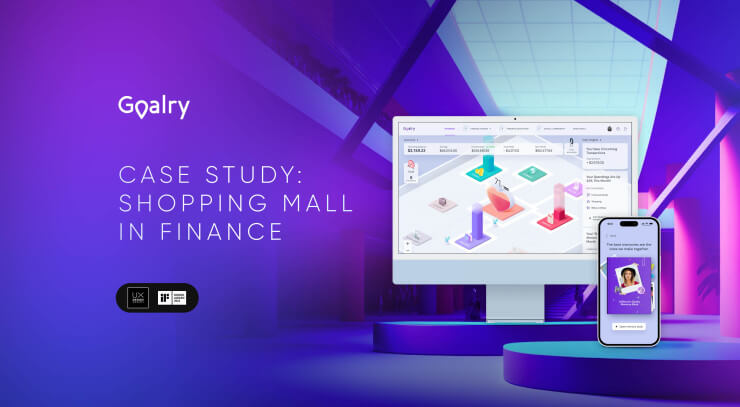
Goalry UX Case Study: Immersive Mall Experience Beyond Finance
Goalry approached UXDA with a very challenging idea - to design a digital financial shopping mall full of different products that help people reach their financial goals in an engaging and intuitive way. We created an innovative 3D dashboard for finance, aimed at further development in the Metaverse
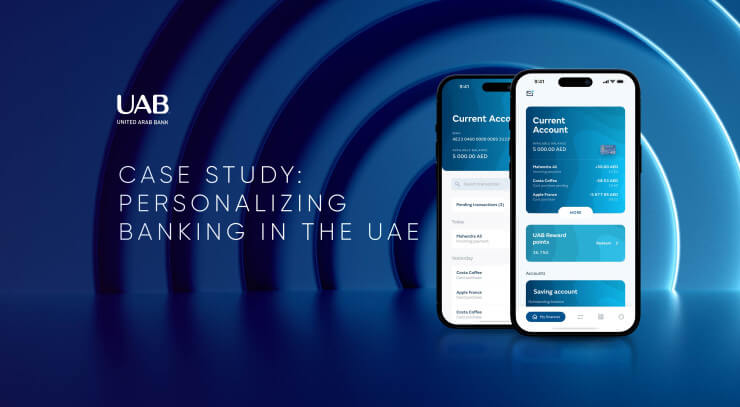
United Arab Bank UX Case Study: Translating Brand Values Into Digital Banking UX in UAE
United Arab Bank approached UXDA with a challenge─to change people's habits by rethinking main customer tasks and transforming them into a very intuitive digital flow.
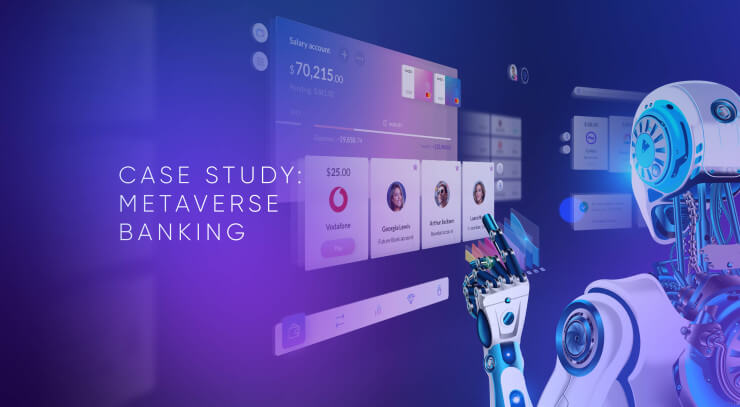
UX Case Study: Metaverse Banking VR / AR Design Concept of the Future
The first metaverse banking UX concept that includes virtual reality banking, augmented reality banking, tablet, desktop, wearable and mobile banking.
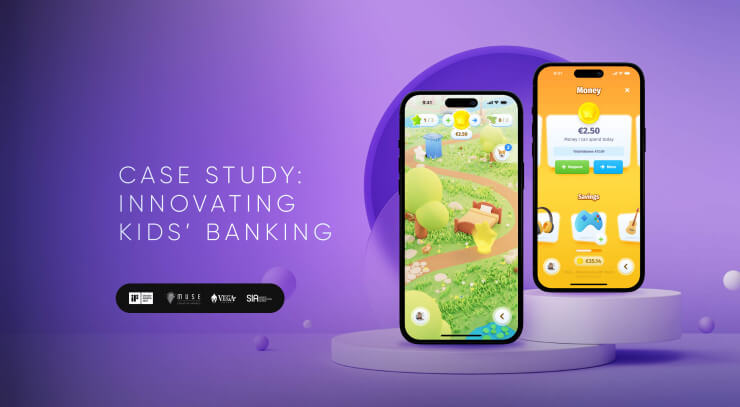
UX Case Study: How to Design Best Digital Bank For Kids
How could parents ensure their kids' financial future? UXDA explored this challenge with a research-based purpose-driven banking app concept. It provides insights into how an app could impact family relationships and ensure children's successful inclusion in the modern digital economy.
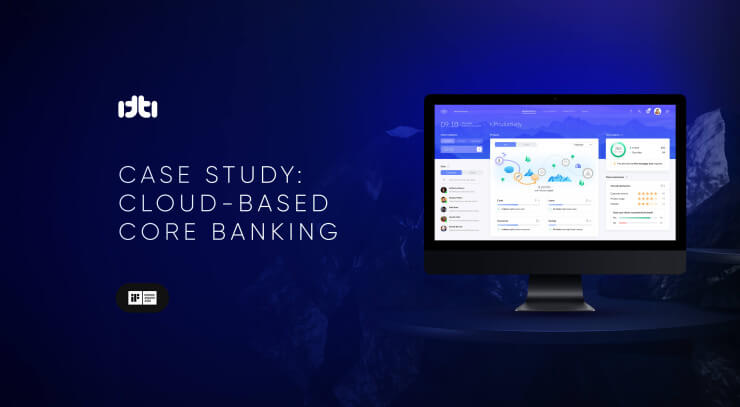
ITTI UX Case Study: Next-Gen Core Banking Digital Transformation in the Cloud
With ITTI Digital’s permission, we are sharing an exclusive step-by-step case study on designing a next-generation banking back office that will definitely become a game changer in the industry.
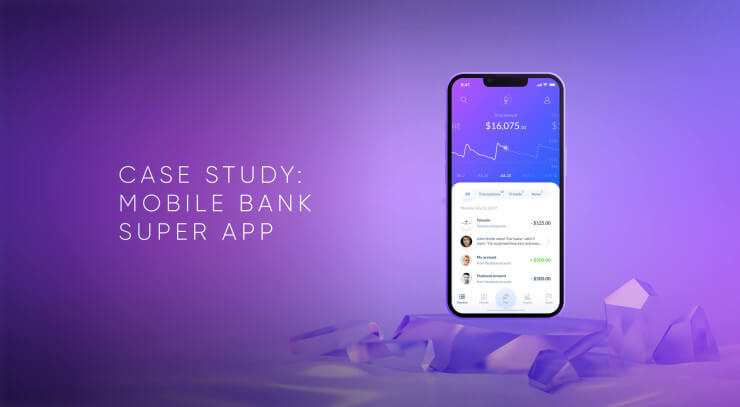

UX Case Study: How to Design a Mobile Banking Super App
How could finance companies upgrade their banking ecosystem to a mobile banking Super App using 10 Fintech trends?


