
Premier Blog on Financial UX Design and UX Innovation




In digital banking, great UX is no longer enough. Financial brands need distinctive digital identities that build recognition, trust and competitive advantage. Explore 10 UXDA-designed financial interfaces showing how strategic UX turns complex financial services into coherent, intuitive and unmistakably branded digital experiences.
Bank-as-a-Product: Why a Mobile Banking App Redesign Is Not Enough
A best-in-class mobile app won’t fix a fragmented banking experience. This article explores why the biggest UX challenges often sit beyond the app—in disconnected channels, communications, operations, brand experiences and governance—and why sustainable digital transformation requires banks to shift from isolated product UX to one coherent experience ecosystem.
AI Implementation in Banking: How UX Research Can Prevent Scaling Bad UX
AI can accelerate digital banking transformation—but it can also scale the wrong assumptions. This article explores how structural blind spots and misdiagnosed customer problems lead banks to optimize broken experiences, automate friction, and compound strategic risk—and why an independent UX perspective is essential before AI turns flawed thinking into infrastructure.

How to Improve Digital Banking Customer Experience by Reducing Experience Debt
Fast digital delivery can quietly become one of the biggest strategic liabilities in banking. This article explores how the build trap creates compounding experience debt, leading to fragmented customer experiences, higher costs, lost revenue, and weaker trust—and why Systemic UX Governance is essential for building sustainable competitive advantage.
Most popular
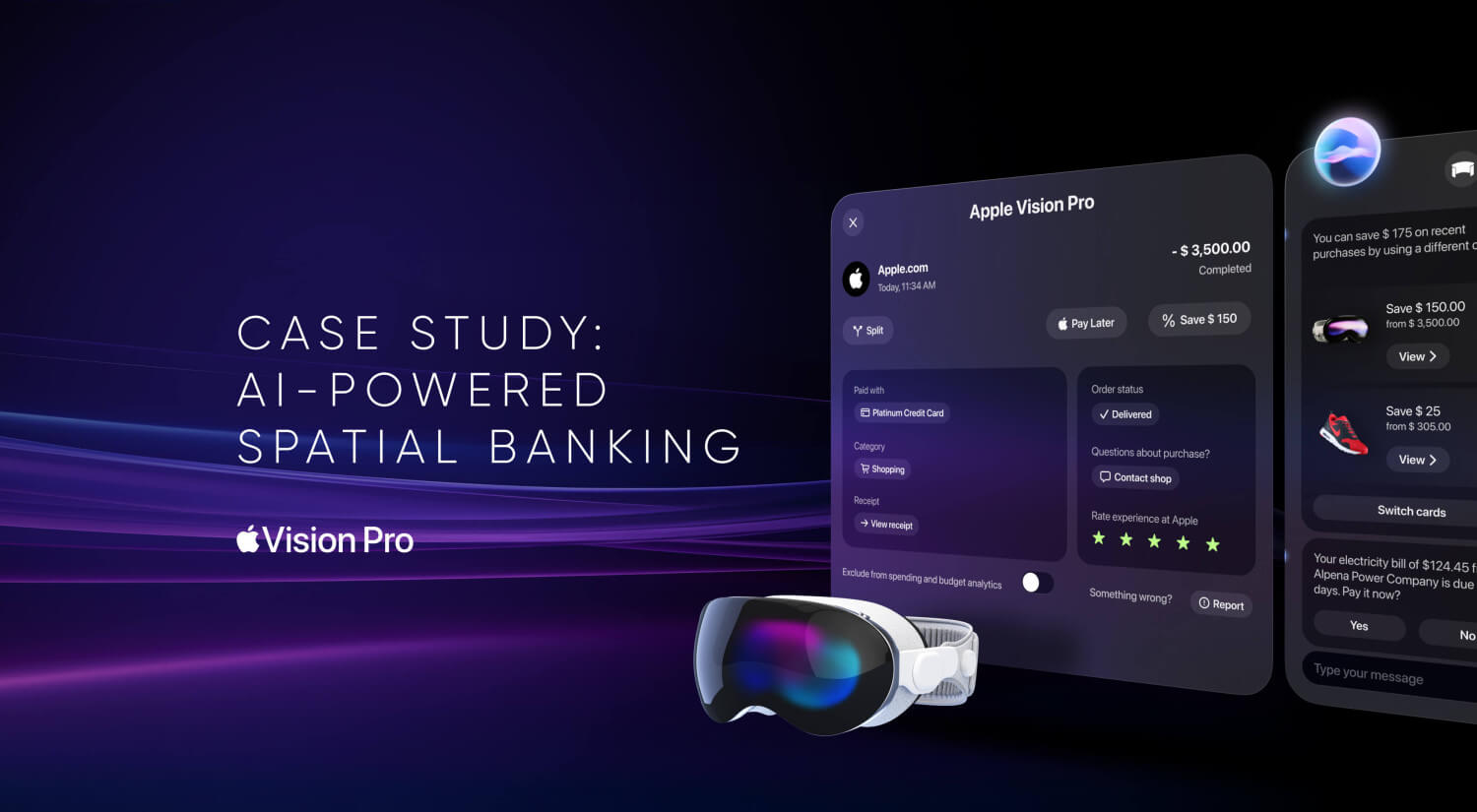
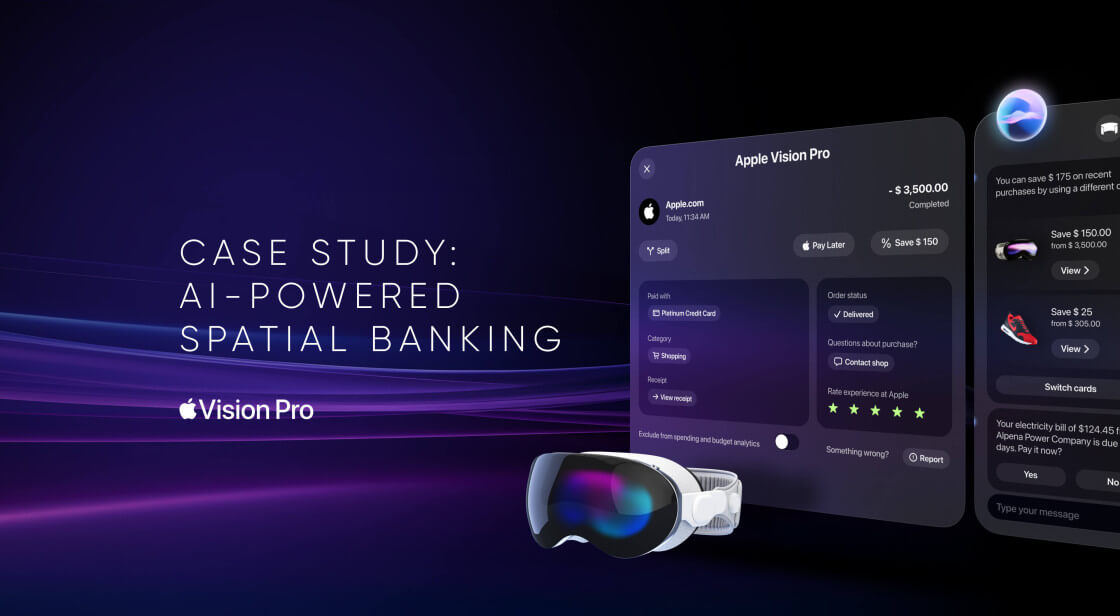
Apple Vision Pro could start the next digital revolution. Wizards from Cupertino offer a mind-blowing spatial experience on the visionOS platform. But how could spatial banking feel and look?



351856 reads
351856 reads
UX Case Study: Implementing AI to Shape the Future of Spatial Banking
Apple Vision Pro could start the next digital revolution. Wizards from Cupertino offer a mind-blowing spatial experience on the visionOS platform. But how could spatial banking feel and look?

302051 reads


Emirates NBD Case Study: Increase Digital Ecosystem ROI with Strategic UX in Middle East Banking
This case study delves into how the strategic UX approach transformed Emirates NBD’s digital ecosystem, setting a new standard of excellence for digital banking worldwide and solidifying the Emirates NBD brand’s position as a leader in the Middle East financial industry.
285877 reads


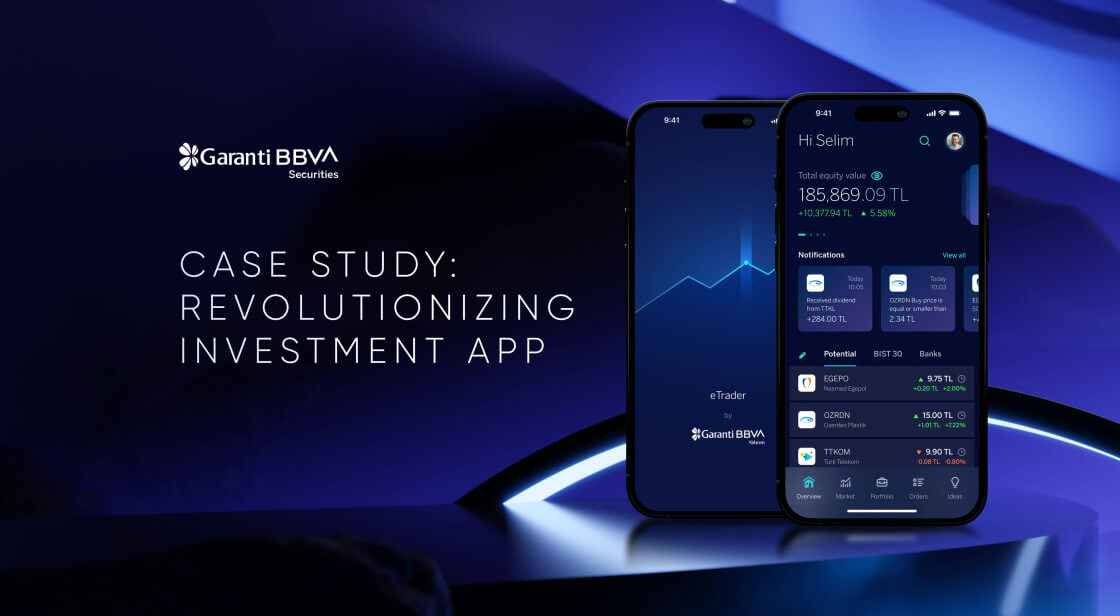
Garanti BBVA Securities Case Study: Designing a World-Class Investing Experience
Garanti BBVA Securities aimed to move beyond third-party solutions by setting a new standard for investment experience in the Turkish market. The challenge was to transform eTrader into a highly personalized, user-centered app that delivers outstanding digital experience.
AI in Financial UX Design: It Will Expose Weak Digital Banking Strategy
AI won’t kill UX in finance — it will expose where UX was never truly strategic. This article explores why AI-generated interfaces can help banks build faster, but not necessarily smarter, and why real competitive advantage will come from customer understanding, strategic judgment and UX governance.
Customer Experience Management in Banking: How to Scale UX, Adoption and ROI
Financial institutions don’t have a design problem — they have a systems problem. This article explores why project-based UX keeps draining coherence, trust and adoption in digital banking, and how Financial UX Governance can transform experience from a one-time redesign into a permanent institutional capability.
How Will AI Change Financial UX by 2035? 12 UXDA Predictions for the Future of Digital Banking
By 2035, financial UX will move beyond apps into autonomous AI, predictive finance and programmable money. This article explores how UXDA’s decade of predictions reveals the next shift in banking: from designing interfaces to designing trust, governance and human agency in increasingly intelligent financial systems.
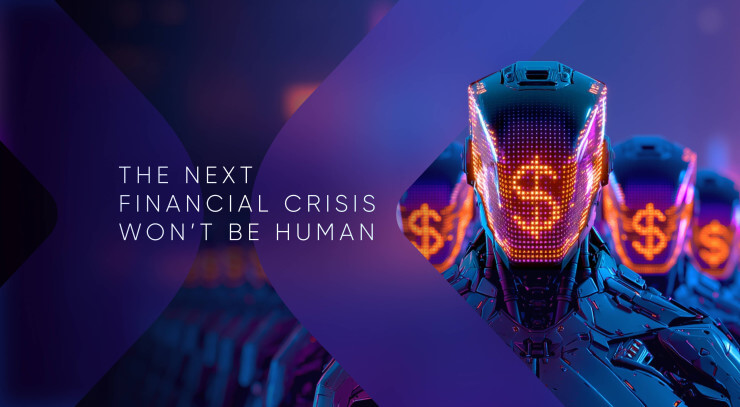
Agentic Banking: What Is the Biggest Risk of Autonomous Financial Agents
Agentic AI is making banking faster and smarter—but when millions of autonomous agents optimize toward the same goals, efficiency can turn into systemic risk. This article explores how synchronized AI decisions could trigger the next financial crisis, and why financial UX must evolve from frictionless execution to resilience, diversity, and smart friction.

Digital Banking UX Strategy: How to Turn UX Into Strategic Infrastructure
Financial institutions can no longer treat digital UX as a tactical layer of screens, flows and features. This article explores 12 steps to turn digital banking experiences into strategic infrastructure — helping banks design systems of trust, guide better customer decisions, reduce risk and create long-term business resilience across the full financial lifecycle.

11 Years of UXDA: Entering a New Decade of Transformation
This year, UXDA turned 11. But this was never just about a birthday—it marked a transition. Our first decade was about building the foundation: values, character, courage, quality, and reputation, growing step by step from a bold vision into a company shaping the future of financial services.


