
Digital Transformation in Banking: Turning Technology Investment Into Customer and Business Value
Digital transformation in banking is the organization-wide process of using technology, data and new operating capabilities to redesign how a bank creates value, serves customers and competes in a digital environment. It goes beyond legacy modernization or launching new features by connecting business strategy, customer experience, banking UX, technology, brand and organizational capabilities into one coherent system.
What Is Digital Transformation in Banking?
Digital transformation in banking combines technology modernization, data, AI, automation, digital channels, operating models and customer experience to improve how financial institutions deliver services, make decisions and create long-term customer and business value.
How Is Digital Transformation Different From Digitization?
Digitization focuses on converting existing processes and services into digital form, while digital transformation changes how the bank operates, creates value and serves customers by redesigning technology, processes, products and experiences around new digital capabilities.
Why Do Banking Digital Transformations Fail?
Banks rarely fail because they lack technology, but because technological transformation is not matched by experience transformation, allowing new platforms, AI capabilities and rapidly released features to create fragmented journeys, weak adoption, inconsistent experiences and growing Experience Debt.
Why Is Customer Experience Critical to Digital Transformation?
Digital transformation creates capability; experience determines whether customers perceive its value, meaning even advanced technologies generate limited impact when they add complexity instead of making banking simpler, more useful, coherent and relevant.
What Role Does UX Play in Banking Digital Transformation?
Strategic UX helps banks translate business strategy and technology investment into customer journeys, product experiences and interaction principles, ensuring that transformation initiatives solve meaningful customer problems instead of simply adding digital functionality.
How Does UX Governance Support Digital Transformation?
UX governance creates the standards, ownership and decision-making mechanisms needed to maintain experience coherence as multiple teams, products, platforms and transformation initiatives evolve across the organization.
How Does Digital Brand Identity Support Transformation?
A distinctive Digital Brand Identity ensures that new digital capabilities consistently express the bank’s brand through visual language, interactions, communication and service behavior, helping transformation strengthen recognition and differentiation rather than create generic digital experiences.
How Can Digital Transformation Create Competitive Advantage?
As technologies become increasingly available to every bank, competitive advantage shifts from simply having digital capabilities to how effectively those capabilities are orchestrated into a distinctive, trusted and valuable customer experience.
What Is the Goal of Digital Transformation in Banking?
The goal is not simply to make a bank more digital, but to make the institution more customer-centered, adaptive, coherent, distinctive and competitive through continuous alignment of technology, customer experience and organizational capabilities.
Explore UXDA insights on digital transformation in banking, banking digital transformation, digital banking transformation, digital banking strategy, customer experience, banking UX, UX governance, Digital Brand Identity, AI in banking and Experience Debt.


Breaking Institutional Self-Deception to Improve Banking Customer Experience
Financial companies and banks worldwide are investing heavily to improve customer experience in banking. Despite these genuine efforts, many banks struggle to achieve the desired results. The culprit? Self-deception.

The Illusion of Completion in Banking Digital Transformation
The digital transformation of banking is an illusion—modernization will never truly end. Traditional banking, with branches and manual processes, is obsolete. To stay relevant, banks must operate like tech companies, driving continuous innovation and enhancing customer experience.





Emirates NBD Case Study: Increase Digital Ecosystem ROI with Strategic UX in Middle East Banking
This case study delves into how the strategic UX approach transformed Emirates NBD’s digital ecosystem, setting a new standard of excellence for digital banking worldwide and solidifying the Emirates NBD brand’s position as a leader in the Middle East financial industry.


What Digital Excellence Requires in Financial Services Beyond Good UX
This article delves into the tension between the urgent need for next-gen, customer-centered financial products and the significant hurdles financial brands must overcome to deliver them and achieve digital excellence.

The $23B Cost of Sales-Driven Mindset in Retail Banking
We highlight the differences between thinking in a “new way” versus “the old one.” These differences can explain why some products are successful in the modern digital environment while others are not.

Surviving Digital Disruption Through UX-Driven Banking Innovation
As the usage of physical cash diminishes and digital consumption skyrockets, traditional banks are undergoing a seismic shift to adapt to changing customer preferences. Digital transformation is reshaping industries and consumer behaviors, and the banking sector stands at a crossroads, poised to redefine our financial experiences in unprecedented ways.

Next-Gen Digital Banking Design: Top 10 UX Strategies Unveiled
What is the main difference between next-gen financial products and legacy services, and what do financial institutions need to create next-gent digital offerings?

The UX Formula for Customer Engagement in Banking
This formula could be applied to gain business breakthroughs and improve customer engagement in banking by adding just 4 key aspects to your business.
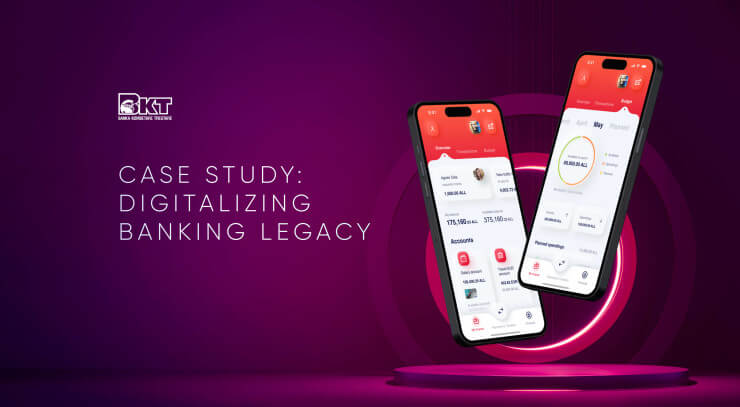
BKT UX Case Study: How To Improve Customer Service in Legacy Bank's App
The 100-year-old bank recognized that its digital offerings have lagged behind and needed a revamp to adapt to customers' requirements. They challenged us to design an app to enhance customer service and empower clients to make smarter financial decisions.

How UX Can Help Banks Navigate Digital Transformation
Why are 78% of companies failing to achieve their digitalization goals? The digital transformation in banking must consider one key thing to succeed.

UX Case Study: Applying ChatGPT Alike Generative AI in Banking
ChatGPT in banking could fuel new types of products, more personalized and more connected to users, so this case study explores actual experience with conversational banking design. LivePerson approached UXDA with a mission to infuse love into finance through an innovative banking app.


