
Digital Transformation in Banking: Turning Technology Investment Into Customer and Business Value
Digital transformation in banking is the organization-wide process of using technology, data and new operating capabilities to redesign how a bank creates value, serves customers and competes in a digital environment. It goes beyond legacy modernization or launching new features by connecting business strategy, customer experience, banking UX, technology, brand and organizational capabilities into one coherent system.
What Is Digital Transformation in Banking?
Digital transformation in banking combines technology modernization, data, AI, automation, digital channels, operating models and customer experience to improve how financial institutions deliver services, make decisions and create long-term customer and business value.
How Is Digital Transformation Different From Digitization?
Digitization focuses on converting existing processes and services into digital form, while digital transformation changes how the bank operates, creates value and serves customers by redesigning technology, processes, products and experiences around new digital capabilities.
Why Do Banking Digital Transformations Fail?
Banks rarely fail because they lack technology, but because technological transformation is not matched by experience transformation, allowing new platforms, AI capabilities and rapidly released features to create fragmented journeys, weak adoption, inconsistent experiences and growing Experience Debt.
Why Is Customer Experience Critical to Digital Transformation?
Digital transformation creates capability; experience determines whether customers perceive its value, meaning even advanced technologies generate limited impact when they add complexity instead of making banking simpler, more useful, coherent and relevant.
What Role Does UX Play in Banking Digital Transformation?
Strategic UX helps banks translate business strategy and technology investment into customer journeys, product experiences and interaction principles, ensuring that transformation initiatives solve meaningful customer problems instead of simply adding digital functionality.
How Does UX Governance Support Digital Transformation?
UX governance creates the standards, ownership and decision-making mechanisms needed to maintain experience coherence as multiple teams, products, platforms and transformation initiatives evolve across the organization.
How Does Digital Brand Identity Support Transformation?
A distinctive Digital Brand Identity ensures that new digital capabilities consistently express the bank’s brand through visual language, interactions, communication and service behavior, helping transformation strengthen recognition and differentiation rather than create generic digital experiences.
How Can Digital Transformation Create Competitive Advantage?
As technologies become increasingly available to every bank, competitive advantage shifts from simply having digital capabilities to how effectively those capabilities are orchestrated into a distinctive, trusted and valuable customer experience.
What Is the Goal of Digital Transformation in Banking?
The goal is not simply to make a bank more digital, but to make the institution more customer-centered, adaptive, coherent, distinctive and competitive through continuous alignment of technology, customer experience and organizational capabilities.
Explore UXDA insights on digital transformation in banking, banking digital transformation, digital banking transformation, digital banking strategy, customer experience, banking UX, UX governance, Digital Brand Identity, AI in banking and Experience Debt.
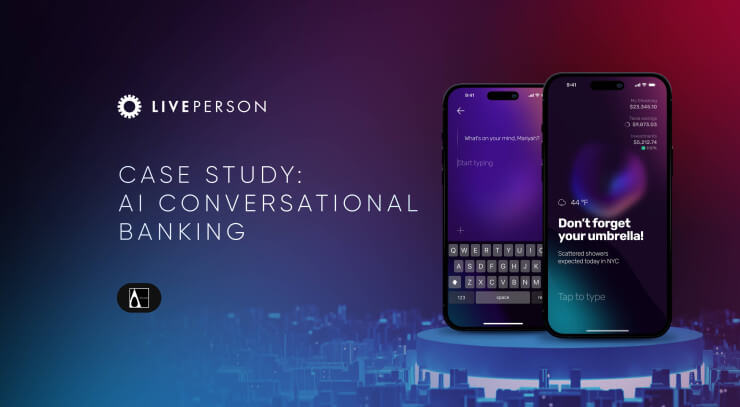



UX Case Study: Applying ChatGPT Alike Generative AI in Banking
ChatGPT in banking could fuel new types of products, more personalized and more connected to users, so this case study explores actual experience with conversational banking design. LivePerson approached UXDA with a mission to infuse love into finance through an innovative banking app.




Purpose-Driven Banking: How Financial Brand Purpose Shapes Customer Experience
Some call it authenticity, essential benefit, value proposition, or uniqueness. We use the concept of a "soul" to describe the unique character or essence of the financial product and how it impacts its users.

How to Choose a Fintech UX Design Agency: Capabilities, Expertise and Red Flags
Discover how to choose the right fintech designers for your financial company's digital product and secure a digital advantage in the highly competitive financial industry in 2023.

UXDA's Experience Pyramid: Effective Banking App Design
To make digital financial products demanded, effective banking app design should be based on three complementary approaches.

Financial Services In The Metaverse: The Glue For A Creative Economy
The metaverse will become the next global milestone after the digital transformation in the next few decades.
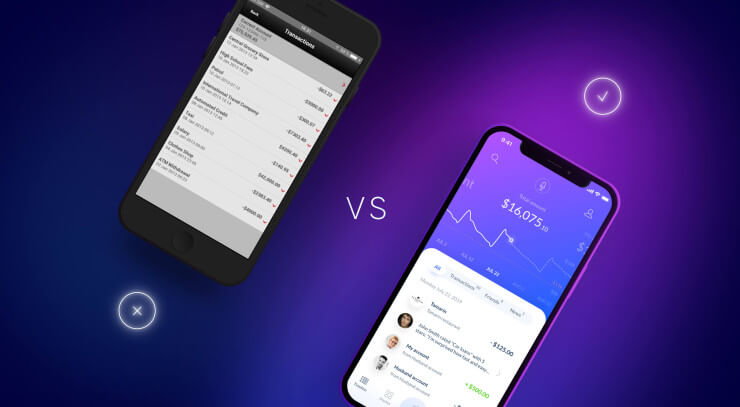

20 Common UX Problems in Digital Banking—and UX Best Practices to Fix Them
Is it possible to improve the customer experience of a financial app in just a few days? Check out our guide with 20 examples that demonstrate how you can skyrocket the user experience of mobile banking solutions using the power of financial UX design.

What The Banking World Can Learn From The TERRA Tragedy
The sudden crash of the Terra coins Luna and UST has proven to be a very painful lesson for the financial world. People need trustworthy financial services that are stable and won't make people lose their entire life savings in 24 hours.

Bank Culture: Transforming Banking Strategy with the UX Matrix
Companies with disruptor culture have the greatest potential. These businesses maximize their chances of success with Value and Design. These elements affect the formation of customer experience within any business. How finance companies can use this knowledge to establish disruptive culture?

Why Banks Without a Clear Brand Purpose Struggle to Build Customer Loyalty
How can purpose-driven banking save banks from losing millions? The main challenge is how to align banking services and products with a human-centered purpose.

Financial Services Design: Building Reputation for the Experience Economy
What is the most valuable thing in any company that can be built and developed over 20 years, but can be destroyed in five minutes? It is brand reputation.
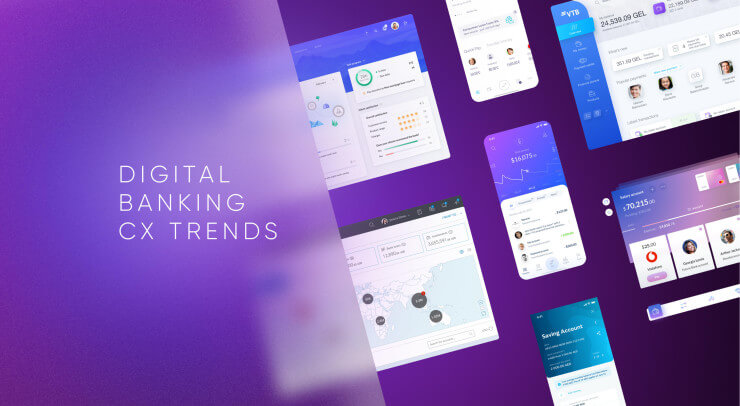
Digital Banking CX Trends: Emerging Experience Patterns Shaping Customer Expectations
What is needed to achieve a breakthrough in the post-pandemic world? Here are 10 digital banking customer experience trends to find the right strategy.


