
Purpose-Driven Banking: Turning Brand Purpose Into Meaningful Customer Experience
Purpose-driven banking is an approach in which a financial institution translates its mission, values and societal role into the way it designs products, makes decisions and serves customers. It goes beyond purpose statements and ESG communication by embedding strategic intent into everyday digital experiences, product behavior, customer support and long-term relationships.
What Is Purpose-Driven Banking?
Purpose-driven banking connects brand purpose, customer needs, product strategy and service behavior so that the institution’s values are reflected not only in communication but also in how financial products are designed and experienced.
How Is Purpose-Driven Banking Different From Brand Communication?
Brand communication explains what the bank stands for, while purpose-driven banking makes that promise tangible through products, pricing, guidance, accessibility, service recovery and digital interactions, ensuring that customers can experience the institution’s values in practice.
What Is the Brand Gap in Purpose-Driven Banking?
A Brand Gap appears when the bank’s stated purpose is not reflected in the customer experience, such as promoting financial wellbeing while offering confusing products or communicating sustainability without giving customers meaningful ways to act on those values.
How Can Banks Turn Purpose Into Customer Experience?
Banks can translate purpose into experience by aligning product propositions, financial guidance, transparency, communication, service behavior and digital interactions with the institution’s mission and the outcomes it wants to create for customers.
What Role Does Digital Brand Identity Play in Purpose-Driven Banking?
A distinctive Digital Brand Identity helps make purpose visible and recognizable by expressing the bank’s values through visual language, interaction behavior, content, tone, personalization and service principles across digital touchpoints.
How Does Purpose-Driven Banking Build Trust?
Purpose strengthens trust when customers consistently see that the bank’s actions, products and decisions match its stated values, especially during important financial moments where transparency, responsibility and customer interests become visible.
How Can Purpose-Driven Banking Support Financial Wellbeing and Sustainability?
Purpose-driven banks can support financial wellbeing, inclusion, sustainability and responsible decision-making by designing services that help customers understand consequences, make informed choices and progress toward goals aligned with both personal and societal value.
How Can Purpose-Driven Banking Create Competitive Advantage?
As banking products and technologies become increasingly similar, purpose can strengthen brand relevance, customer loyalty, trust and differentiation when it is consistently translated into a coherent experience rather than remaining an abstract marketing message.
Explore UXDA insights on purpose-driven banking, purpose-driven financial services, Digital Brand Identity, Brand Gap, financial wellbeing, sustainable banking, ethical banking, customer trust, banking UX and brand differentiation.



Emotional Design in Banking: How Emotionally Intelligent UX Builds Trust and Growth
This article highlights the emotional trust gap in digital banking, revealing that speed and convenience alone aren’t enough. To build loyalty, financial brands must prioritize empathy, transparency, and human-centric UX that fosters confidence and connection.




Liv Bank Case Study: Building a Distinctive Digital Brand Identity for Lifestyle Banking in MENA
Through a strategic and forward-thinking UX approach, we expanded the Liv ecosystem to three groundbreaking solutions: the Liv X app for seamless lifestyle and financial management, an immersive spatial banking experience for enriched user engagement and the Liv Lite app to empower children's financial education.
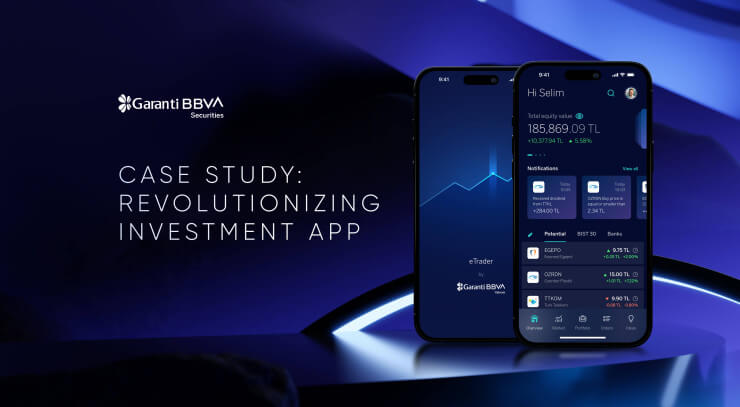


Garanti BBVA Securities Case Study: Designing a World-Class Investing Experience
Garanti BBVA Securities aimed to move beyond third-party solutions by setting a new standard for investment experience in the Turkish market. The challenge was to transform eTrader into a highly personalized, user-centered app that delivers outstanding digital experience.

UX Case Study: a Bugatti-Caliber Experience for UHNWIs with $200 Billion in Assets
Private Wealth Systems aimed to revolutionize wealth management by delivering a user-friendly and visually stunning solution that meets the luxurious needs of multi-millionaires. Delve deeper to understand how UXDA partnered with Private Wealth Systems to facilitate a fundamental shift in wealth management.

What Digital Excellence Requires in Financial Services Beyond Good UX
This article delves into the tension between the urgent need for next-gen, customer-centered financial products and the significant hurdles financial brands must overcome to deliver them and achieve digital excellence.

The $23B Cost of Sales-Driven Mindset in Retail Banking
We highlight the differences between thinking in a “new way” versus “the old one.” These differences can explain why some products are successful in the modern digital environment while others are not.
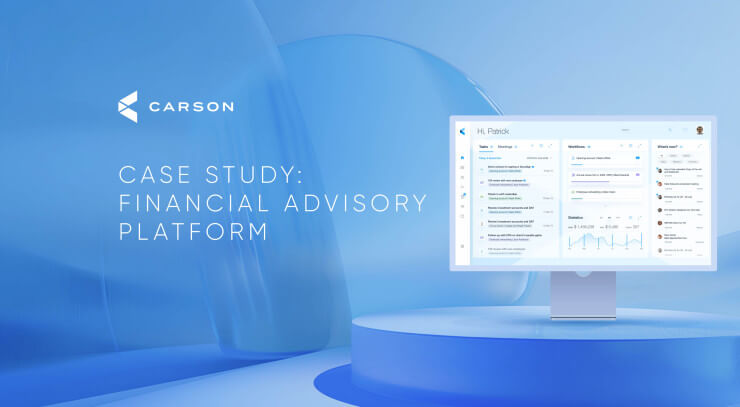
Carson UX Case Study: Crafting Purpose-Driven Platform for Financial Advisors
To ensure clients' dreams are realized through financial advisor strategies, Carson Group has created a powerful financial advisory platform and has become the frontrunner of purpose-driven financial innovations.
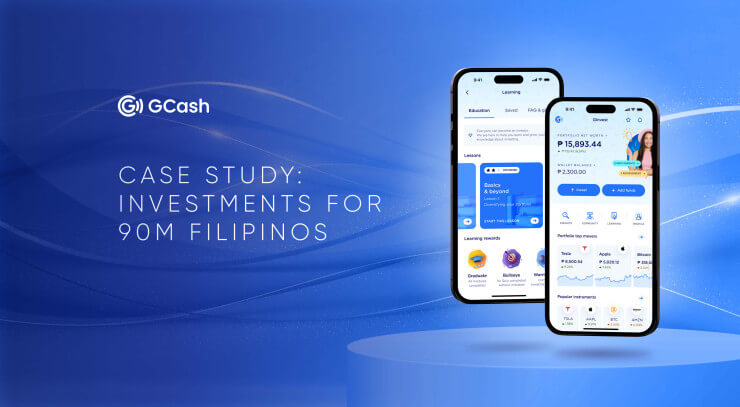
GCash UX Case Study: Democratizing Investments for 90M Filipinos
The new and improved GInvest service was aimed to provide Filipinos with an investment opportunity that previously seemed unattainable. An experience designed by UXDA is set to transform the mindset of 90 million Filipinos, showing that investing isn't only for rich and financially savvy people.

The Brand-to-Experience Gap in Banking: How to Align Brand Strategy With Digital CX
Can your financial company get more from design than just a standard interface for digital services? Absolutely! But there is one thing without which it is impossible to get the most out of your design initiatives.

Banking UX Audit: The Overlooked Driver of Digital Product Performance
Customer-centric UX audit bridges the data and human experience, transforming raw information into actionable insights. This approach is not about embarking on grand, resource-intensive research projects but about switching angles to detect the most impactful areas for improvement.

Design Maturity as the Silent Barrier to Banking Innovation
A study by InVision surveyed 2,200 companies worldwide, revealing that design maturity significantly impacts key business success indicators. Mature companies with a strong design focus enjoy a five times higher impact on revenue, cost savings, and time to market compared to less mature ones.
- 1
- 2


