
Financial Service Design: Orchestrating Complex Digital Ecosystems Around Customer and Business Value
Financial service design is the strategic orchestration of products, channels, processes, technology, people and interactions into one coherent financial experience. In large banks and financial institutions, it connects the entire service ecosystem so customers can move seamlessly across touchpoints while the organization delivers value consistently at scale.
What Is Financial Service Design?
Financial service design connects customer journeys, products, channels, business processes, technology, data and employee actions into one coordinated system designed around meaningful customer and business outcomes rather than isolated touchpoints.
How Is Financial Service Design Different From UX Design?
UX design often focuses on the quality of specific digital interactions and journeys, while financial service design examines the broader system behind the experience, including front-stage interactions, back-stage processes, policies, technology and organizational dependencies.
Why Do Banks Need Strategic Service Design?
Large financial institutions operate across many products, channels and teams, making strategic service design essential for reducing fragmentation, repeated steps, inconsistent logic, disconnected information and conflicting service behavior across the customer relationship.
How Does Financial Service Design Improve Customer Journeys?
Service design reveals how different journeys and services depend on one another, helping banks redesign handoffs, information flows, processes and interactions so customers can move more seamlessly across payments, cards, lending, savings, investments, support and other financial needs.
How Does Service Design Improve Operational Efficiency?
By connecting front-stage customer experience with back-office processes, employee workflows, technology, data and policies, financial service design can reduce duplication, operational complexity and avoidable friction while improving service quality and efficiency.
What Is the Role of Service Architecture in Banking?
Service architecture defines how products, capabilities, channels, processes and supporting systems work together across the institution, creating a structural foundation for more coherent customer experiences and scalable digital transformation.
How Does Financial Service Design Support Omnichannel Banking?
Financial service design helps align mobile, web, branches, support, AI and other channels around shared customer goals, enabling information, service behavior and context to remain coherent as customers move between different touchpoints.
How Does Financial Service Design Support Digital Transformation?
As banks expand into AI, embedded services, ecosystems and new channels, service design creates a connected experience architecture that helps new capabilities reinforce the same strategic intent, Digital Brand Identity and customer relationship instead of increasing fragmentation.
Why Is Financial Service Design a Strategic Discipline?
At enterprise scale, financial service design becomes a coordination discipline that aligns customer experience, business operations, technology and organizational decision-making, helping institutions improve adoption, efficiency, service quality and long-term experience coherence.
Explore UXDA insights on financial service design, banking service design, financial UX, customer journey design, service architecture, digital banking ecosystems, omnichannel experience, Digital Brand Identity, UX governance and experience transformation.
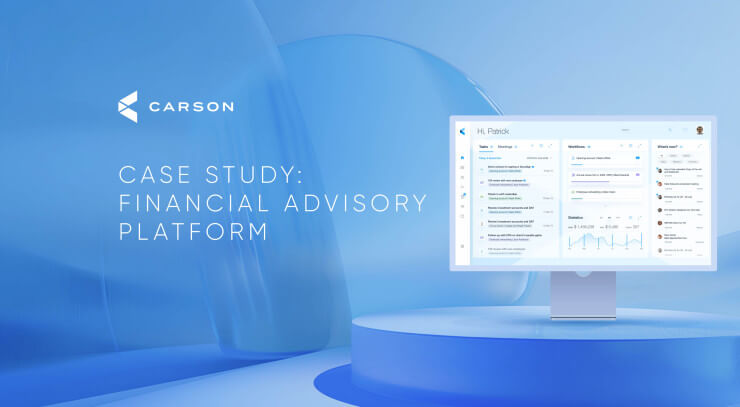


Carson UX Case Study: Crafting Purpose-Driven Platform for Financial Advisors
To ensure clients' dreams are realized through financial advisor strategies, Carson Group has created a powerful financial advisory platform and has become the frontrunner of purpose-driven financial innovations.
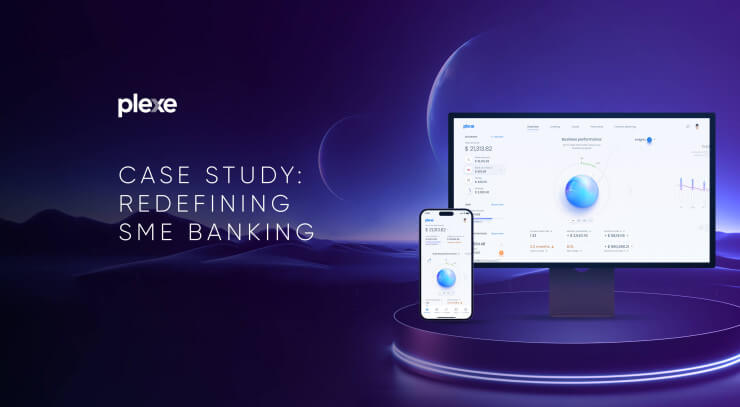


UX Case Study: Challenges of Business Banking Transformation
SME owners often face the challenge of adapting business strategy to a highly dynamic environment while simultaneously managing day-to-day financial operations. It's like Formula 1 racers, where only precise and quick decisions can save them from failure.


Double Red Dot Victory: World's Best Agency in Fintech Design
UXDA, the pioneering financial product design agency, has won two prestigious Red Dot Design Awards for its exceptional work in designing the banking super app my.t money for Mauritius Telecom, the largest telecommunications company in Mauritius.
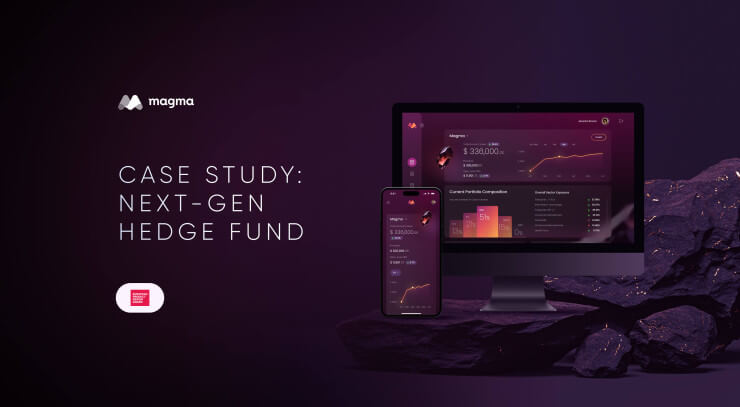

Magma UX Case Study: Digitalize NBA Players' Investments to Beat Market Volatility
UXDA designed a next-gen investment platform, for high-net-worth individuals. The aim was to create a quantitative hedge fund product to simplify and enhance the investment experience with cutting-edge technologies.
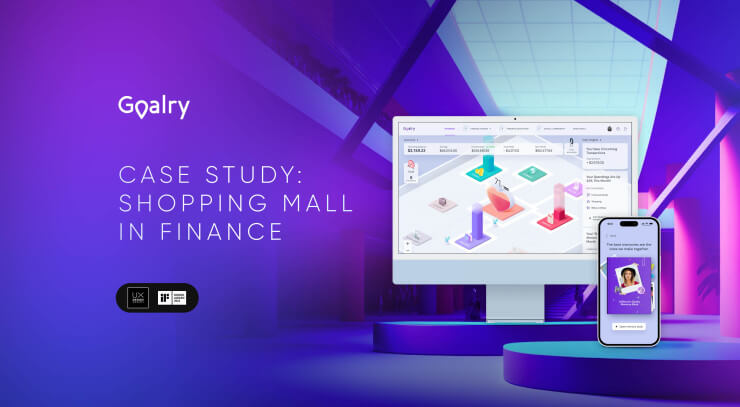
Goalry UX Case Study: Immersive Mall Experience Beyond Finance
Goalry approached UXDA with a very challenging idea - to design a digital financial shopping mall full of different products that help people reach their financial goals in an engaging and intuitive way. We created an innovative 3D dashboard for finance, aimed at further development in the Metaverse

Financial Services Design: Building Reputation for the Experience Economy
What is the most valuable thing in any company that can be built and developed over 20 years, but can be destroyed in five minutes? It is brand reputation.
Core Banking UI Design That Will Change The Perception Of Service Design
Following the success of our article about banking back-office flaws, UXDA dared our team to create never-before-seen banking back-office financial UX designs that would clear a path to a different approach.

Financial Dashboard Design: 20 Banking and Fintech UI Examples
There are so many beautiful visualizations of banking interfaces on Dribble and Pinterest. Unfortunately, if you look closer, quite often they are meaningless from the user experience perspective. Many of them are just beautiful animations that ...

How to Choose the Best Banking Software Vendors in Terms of UX
The digitalisation of the banking industry is rising, especially due to ready-to-use digital banking solutions provided by IT vendors. But are these solutions really best for their users? What threats can appear for the financial industry in the future...

UXDA Delivers Design for Best Digital Banking Platform Vendors
UXDA team is happy to see our partners between TOP11 global banking software vendors and is grateful for the opportunity to reinvent financial industry through customer-centered financial design.

User Experience Tips on How to Design Financial Product
Any successful business starts with a solution-to-solve problem, but not every solution is usable enough. So, what can be done?
- 1
- 2


