
Digital Banking Design: Turning Strategy, Brand and Technology Into Distinctive Experience
Digital banking design is the strategic process of translating a bank’s business strategy, customer needs, brand and technology into a coherent, intuitive and distinctive digital banking experience. It goes beyond UI screens by connecting banking UX, Digital Brand Identity, customer journeys, technology and operational realities into experiences that are scalable, recognizable and commercially effective.
What Is Digital Banking Design?
Digital banking design encompasses customer journeys, information architecture, interaction logic, service behavior, visual design, design systems and experience governance, helping financial institutions turn complex products and technologies into clear and usable digital experiences.
How Is Digital Banking Design Different From UI Design?
UI design focuses primarily on the visual and interactive layer, while digital banking design addresses the entire experience architecture by connecting customer needs, business goals, product logic, brand expression, technology and operational constraints across the digital ecosystem.
Why Is Digital Banking Design Important for Banks?
Strong digital banking design determines how effectively business strategy reaches customers, how the brand behaves digitally and whether continuous product development creates a coherent experience or gradually produces fragmentation and Experience Debt.
How Does Digital Banking Design Improve Customer Experience?
Effective design simplifies complex financial journeys, improves navigation and makes services easier to understand and use, helping banks strengthen digital adoption, satisfaction, trust and customer value across mobile and online banking.
How Does Digital Banking Design Create Differentiation?
As banking features, technologies and AI capabilities become easier to replicate, design increasingly determines how a bank differentiates through distinctive interaction patterns, connected journeys, recognizable brand expression and a coherent experience across digital touchpoints.
What Role Does Digital Brand Identity Play in Banking Design?
Digital Brand Identity translates the bank’s brand promise into visual language, interactions, content, motion and service behavior, helping digital products feel unmistakably connected to the institution rather than resembling generic banking platforms.
How Can Banks Scale Digital Banking Design?
Strong UX governance, scalable design systems and coherent experience architecture help banks maintain quality and consistency as new products, teams, technologies, AI capabilities and channels are introduced across the organization.
How Does Digital Banking Design Support Competitive Advantage?
Digital banking design becomes strategic infrastructure when it consistently connects strategy, customer experience, brand and technology, helping financial institutions improve adoption, strengthen differentiation, build trust and turn transformation investments into sustainable competitive advantage.
Explore UXDA insights on digital banking design, digital banking UX, banking app design, Digital Brand Identity, customer experience, UX strategy, information architecture, design systems, UX governance and Experience Debt.


Digital Banking Clone Wars: Why Banking Apps Look the Same and How to Stand Out
In a world where most banking apps look and feel the same, “safe design” has quietly become the fastest path to irrelevance. This article explores why copy-paste interfaces are killing emotional connection with customers — and how banks can break out of the clone trap by designing digital experiences that create real differentiation, loyalty and brand value.
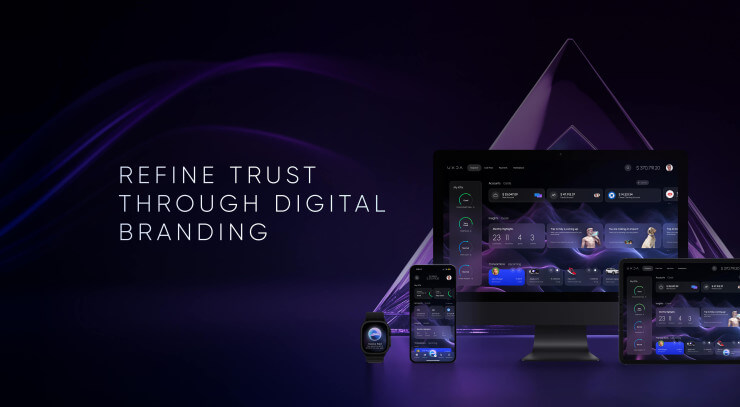

Digital Experience Governance in Banking: How Consistency Rebuilds Customer Trust
As financial services become increasingly sophisticated, customers demand not only security but transparency and reliability—making trust the ultimate driver of success and resilience.

Breaking Institutional Self-Deception to Improve Banking Customer Experience
Financial companies and banks worldwide are investing heavily to improve customer experience in banking. Despite these genuine efforts, many banks struggle to achieve the desired results. The culprit? Self-deception.

ChatGPT Prompts in Digital Banking and Fintech Product Design
This article unveils the secrets of using ChatGPT prompts to drive innovation in banking UX, providing insights into how this tool can be integrated into the standard design process for transformative results.
Apple-Inspired Banking UX: How Design Discipline Creates Better Digital Experiences
Many banks believe that packing their apps with countless features and the latest technology will attract and retain users. However, this approach often results in the opposite effect, driving users away due to overwhelming complexity.
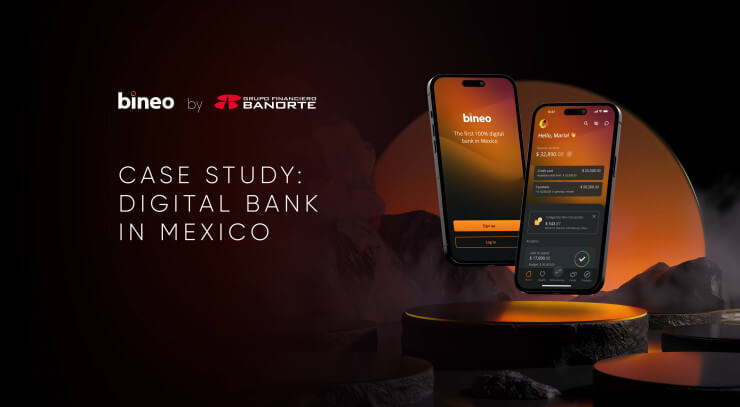



Bineo UX Case Study: Designing the First 100% Digital Bank in Mexico
Banorte boldly launched Bineo, Mexico's first all-digital bank, aiming to revolutionize the market and cater to tech-savvy customers. Dive into this case study to learn how UXDA's collaboration with the team at Banorte initiated a new dedicated digital banking journey for Mexicans.

Next-Gen Digital Banking Design: Top 10 UX Strategies Unveiled
What is the main difference between next-gen financial products and legacy services, and what do financial institutions need to create next-gent digital offerings?
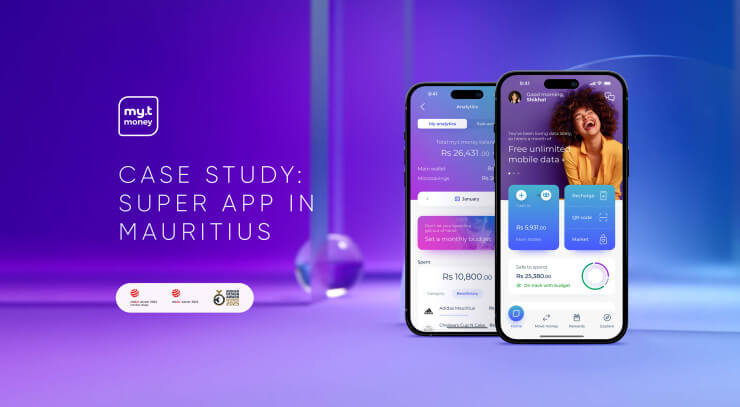

my.t money UX Case Study: Banking Super App Design to Modernize Mauritius
MT challenged UXDA to envision and redesign a digital my.t money platform as an integrated financial and lifestyle service ecosystem to empower the Mauritian community.
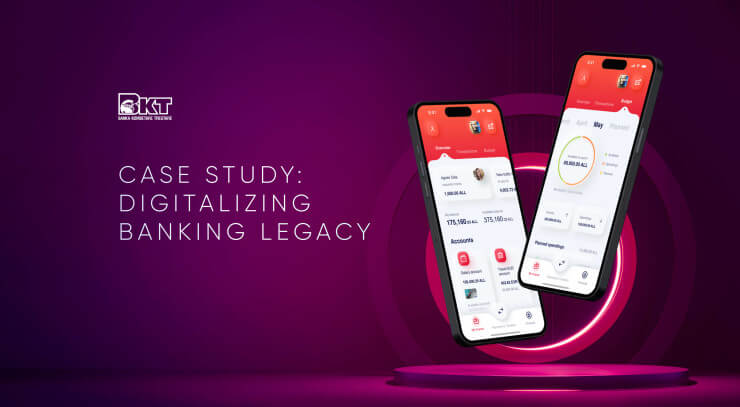
BKT UX Case Study: How To Improve Customer Service in Legacy Bank's App
The 100-year-old bank recognized that its digital offerings have lagged behind and needed a revamp to adapt to customers' requirements. They challenged us to design an app to enhance customer service and empower clients to make smarter financial decisions.
How UX Can Help Banks Navigate Digital Transformation
Why are 78% of companies failing to achieve their digitalization goals? The digital transformation in banking must consider one key thing to succeed.

How to Choose a Fintech UX Design Agency: Capabilities, Expertise and Red Flags
Discover how to choose the right fintech designers for your financial company's digital product and secure a digital advantage in the highly competitive financial industry in 2023.
- 1
- …
- 3


